
Hello tutor and mates!

In this opportunity I want to present you this virtual space called blog.
This is a virtual place very easy to design and easy publication. This virtual tool is also a learning tool if you want. The blog can store much information and it can be updated everyday.
Good. let´s learn a little!
True cognates and false cognates in the English language
Definition: In a technical sense, two words that have a common origin are cognates. Most often, cognates are words in two languages that have a common etymology and thus are similar or identical. For example, the English "kiosk" and the Spanish quiosco are cognates because they both come from the Turkish kosk.

True cognates examples:
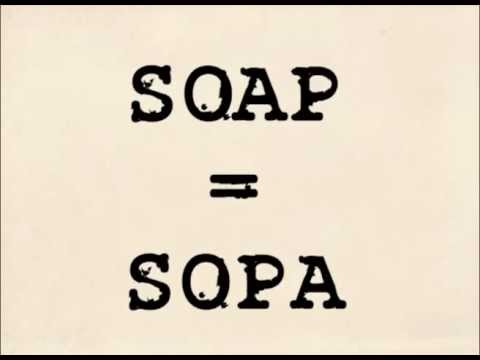
Air - Aire
dictionary - diccionario
indelible - indeleble
invincible - invencible
inflammable - inflamable
imperceptible - imperceptible
incorrigible - incorregible
philanthropist - filántropo
perfect - perfecto
indelible - indeleble
invincible - invencible
inflammable - inflamable
imperceptible - imperceptible
incorrigible - incorregible
philanthropist - filántropo
perfect - perfecto
False cognates examples:
actual: real, efectivo (y no actual, que se dice current)
actually: en realidad (y no actualmente, que se dice nowadays, at present)
to advertise: anunciar (y no advertir, que se dice to warn)
advice: consejos (y no aviso, que se dice warning, notice)
to apologise: pedir disculpas (y no apología, que se dice defence)
apt: propenso (y no apto, que se dice qualified, able)
argument: discusión, pelea (y no argumento de un libro/una película, que se dice plot)
arm: brazo (y no arma, que se dice gun)
balloon: globo (y no balón, que se dice ball)
brave: valiente (y no bravo, que se dice fierce)
carpet: alfombra (y no carpeta, que se dice folder)
cartoon: dibujos animados, tira cómica (y no cartón, que se dice cardboard)
casualty: víctima o herido (y no casualidad, que se dice coincidence)
collar: cuello de las prendas de vestir (y no collar, que se dice necklace)
command: orden, mandato (y no comando, que se dice commando unit)
to complain: quejarse (y no complacer, que se dice to please)
actually: en realidad (y no actualmente, que se dice nowadays, at present)
to advertise: anunciar (y no advertir, que se dice to warn)
advice: consejos (y no aviso, que se dice warning, notice)
to apologise: pedir disculpas (y no apología, que se dice defence)
apt: propenso (y no apto, que se dice qualified, able)
argument: discusión, pelea (y no argumento de un libro/una película, que se dice plot)
arm: brazo (y no arma, que se dice gun)
balloon: globo (y no balón, que se dice ball)
brave: valiente (y no bravo, que se dice fierce)
carpet: alfombra (y no carpeta, que se dice folder)
cartoon: dibujos animados, tira cómica (y no cartón, que se dice cardboard)
casualty: víctima o herido (y no casualidad, que se dice coincidence)
collar: cuello de las prendas de vestir (y no collar, que se dice necklace)
command: orden, mandato (y no comando, que se dice commando unit)
to complain: quejarse (y no complacer, que se dice to please)

OK. I hope that this tip can help you in
some confusions. Bye, Bye
Take from about.com/spanishlanguage and www.mediateca.8m.com

No hay comentarios:
Publicar un comentario